
Norway is currently in a pressing geopolitical situation. The first-ever National Security Strategy from May 2025 described the contemporary situation as the most alarming security situation since World War II. As always, Norway’s eastern neighbour and the world’s largest state, Russia, poses the most immediate threat.
Norwegian security rests upon a cohesive Western security community in which collective security guarantees through NATO are decisive. Within this cooperation, the United States remains Norway’s most important ally. At the same time, the transatlantic relationship is changing. The United States expects greater participation, action, and commitment from European states to strengthen their own security, while China’s rise as a major geopolitical player has contributed, since at least 2011, to a prolonged U.S. shift of strategic focus toward Asia. Power politics is increasingly more prominent compared to multilateral cooperation between states, and the rules-based international order, which has, with varied success, been followed since the end of the Second World War, is under pressure.
Under such circumstances, small states’ room for manoeuvre is often greatest in the lower end of the conflict spectrum. Low tension and stability in the High North have therefore historically characterised Norway’s relationship with Russia and the Soviet Union. Yet growing security concerns in Europe increase the risk of confrontation and unwanted incidents, and interest in the North Atlantic, the Arctic, and the Barents Sea is rising.
On this basis, this text scrutinises the following question: How was Norway’s low-tension policy put into practice during 1960–1985, and how well do these principles hold up in today’s situation?
A brief theoretical framework is first presented to guide the analysis, followed by a discussion of the contemporary relevance of Norway’s Cold War policies.
Abandonment and entrapment risk
Many theories have been proposed to explain how states navigated uncertainty during the Cold War. In the Norwegian context, alliance theory is particularly useful. It suggests that allies face a double security dilemma: a risk of abandonment and a risk of entrapment.
Abandonment is the fear that an ally will not come to one’s aid in a crisis. Entrapment is the fear of being dragged into an ally’s escalation or conflicts one does not necessarily want or benefit from. Abandonment risk tends to fall when alliance commitments are clear, public, and institutionalised.
However, those same measures can raise entrapment risk by making it harder to distance oneself if the ally escalates. Entrapment risk, in turn, tends to fall when commitments are more conditional or ambiguous, when force posture is limited and defensive, and when consultation rules constrain rapid escalation. This, in turn, can increase fears of abandonment by allies. In practice, states calibrate commitments, deployments, and action patterns to manage this two-sided dilemma. On this basis, how was Norway’s low-tension policy managed during the Cold War?
Low tension policy, 1960–1985
During the Cold War, Norway had to balance its relationship with the mighty Soviet Union while maintaining a strong commitment to NATO and the Western bloc. Norwegian geopolitical priorities rested on two assumptions. First, deterrence of a Soviet attack required clear alignment with NATO and credible allied support, balanced by self-imposed restrictions to avoid unnecessary provocations to Moscow. Second, allies had to be kept closely engaged in the northern areas through exercises, infrastructure, and intelligence cooperation to tie them to the region.
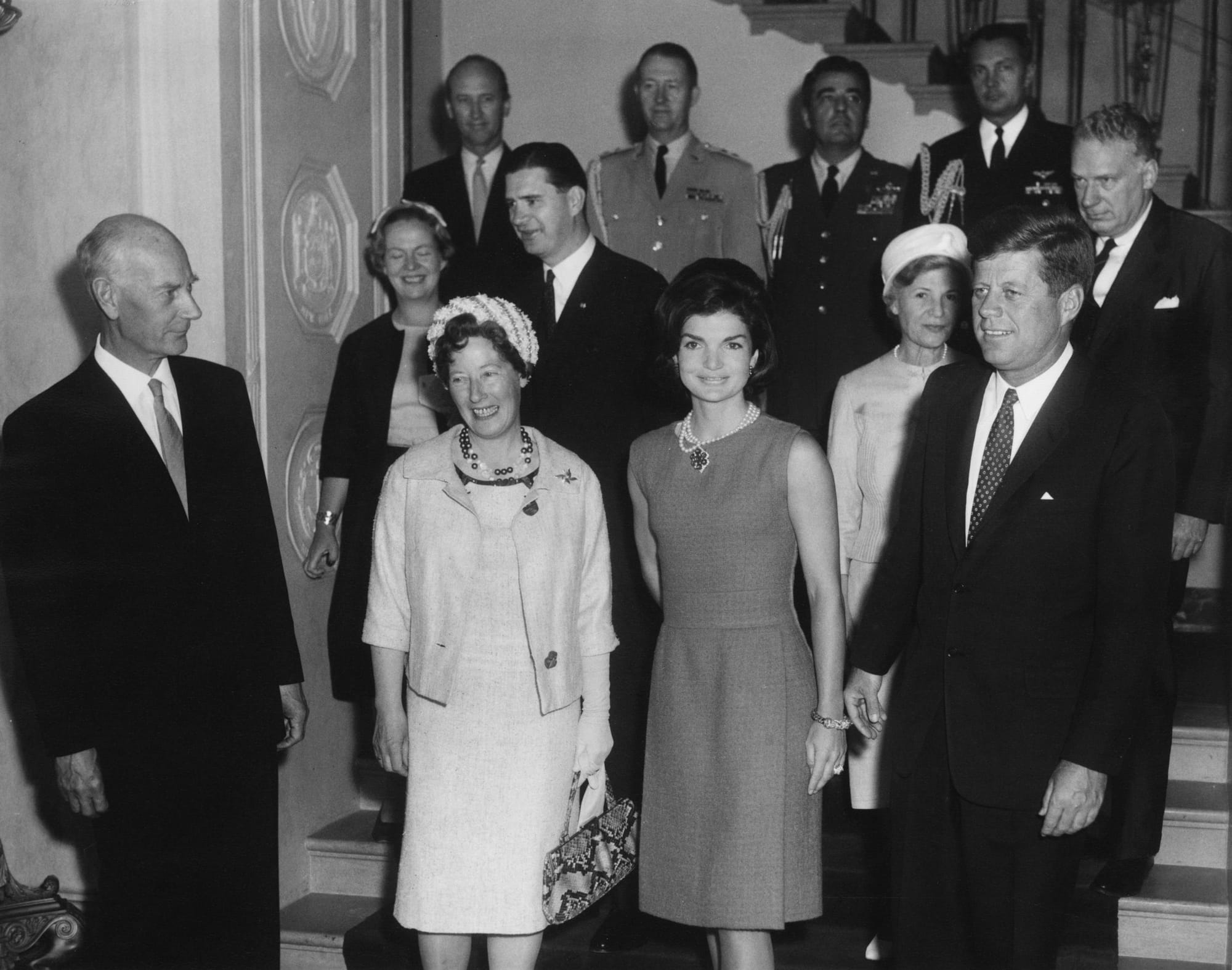
This logic has been a continuous Norwegian interest since 1949. It was expressed through a firm alliance, anchored by measures to keep the relationship stable and predictable, and governed by multilateral agreements and international law, especially those governing the seas. Norway also maintained self-imposed restrictions with the explicit purpose of keeping tensions low. Prominent examples include the base policy that prohibits foreign military bases on Norwegian territory in peacetime and a cautious approach to military presence on Svalbard. These restrictions, however, did not prevent Norway from fulfilling its part of the commitment to the alliance by providing knowledge, policy, and intelligence in the High North and the Arctic region.
Pragmatism on economic zones and incidents at sea
During the 1970s, new law-of-the-sea rules and Norway’s significant expansion of its maritime economic zone, combined with resource management, had a major impact on Norway’s sovereignty policy and Cold War practice.
In 1977, Norway established a 200-nautical-mile Economic Zone (EEZ) in accordance with the principles of the UN Convention on the Law of the Sea. This greatly expanded Norwegian economic interests, increased Norway’s geopolitical importance in the region, and created new implications for relations with other states.
The vast areas brought under Norwegian jurisdiction increased the potential risk of instability. Norway had to assert sovereignty over broader maritime areas and invest in appropriate equipment and infrastructure. The region’s strategic utility also became more critical to protect once uncertainty and unrestricted economic access were no longer realities. In addition, the Soviet Northern Fleet thus had to cross Norwegian maritime areas to reach and operate in the wider Atlantic.
This context raised two questions of particular importance, namely the delimitation line between Norway and the Soviet Union in the Barents Sea and the extent of the continental shelf around Svalbard. These issues tested Norway’s relationship with Western allies: Western powers did not always unconditionally support Norwegian positions. Norwegian officials also recognised that allies, especially the United States, often lacked detailed knowledge of the complexity of High North questions, which drove efforts to increase awareness, especially by emphasising the strategic and economic dimensions, such as oil and mineral discoveries.
Svalbard and UN regime at sea
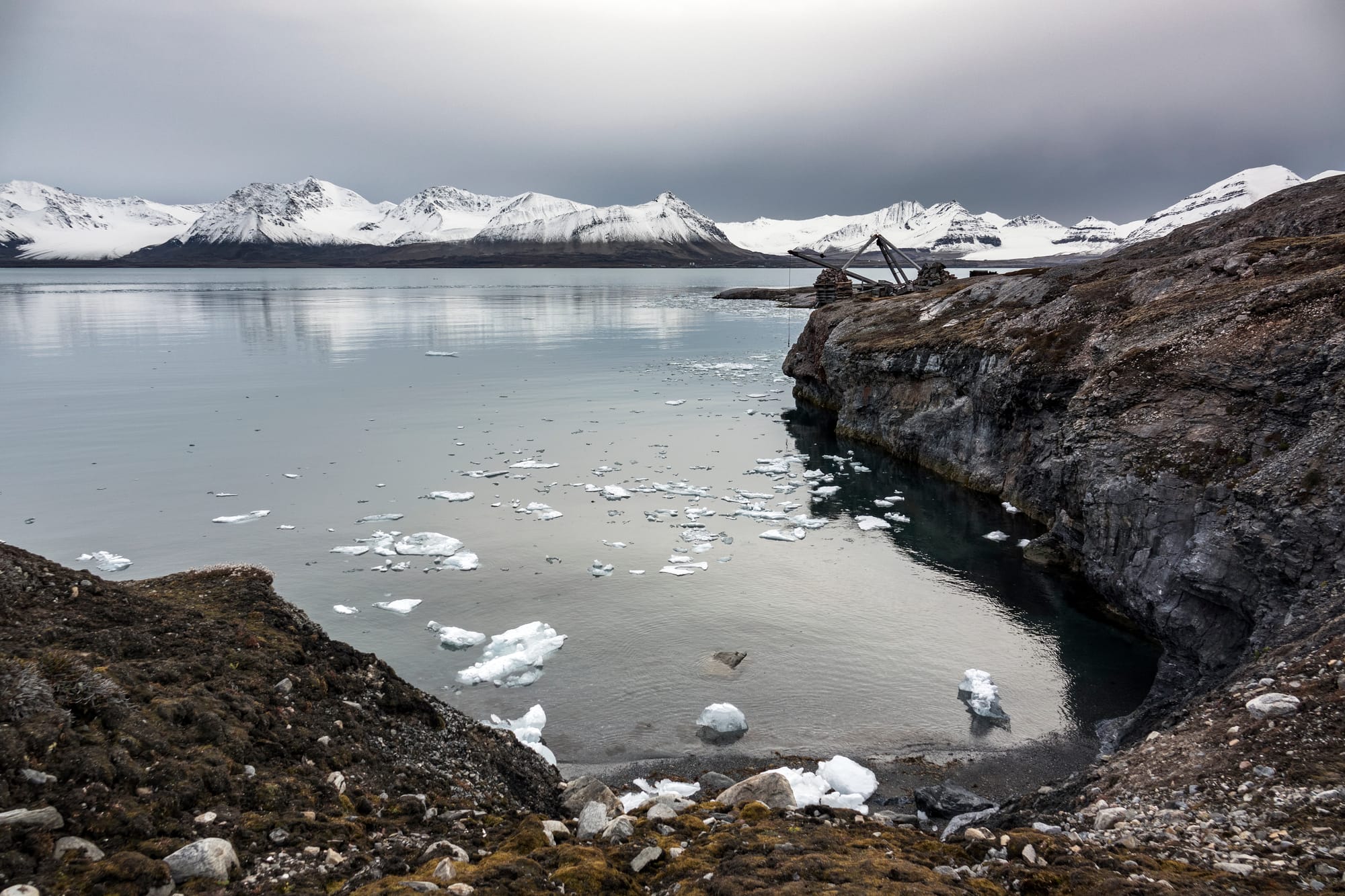
As Norway’s maritime interests expanded, it became clearer and more critical to assert Norwegian sovereignty. However, Svalbard remained a distinct case. Training and exercises, as well as the presence of military vessels and equipment, were handled with particular caution and under strict political control. Norwegian policy sought to combine strict adherence to sovereignty, demonstrating the ability to enforce legally based authority, with non-provocative measures in especially sensitive zones.
In the geopolitical context engulfing Svalbard, the Cold War maritime competition and the 1972 Incidents at Sea Agreement illustrate how states sought to regulate great-power rivalry. The aim was to create rules and procedures to calm tensions and prevent maritime conflicts. In the Norwegian–Soviet context, however, Norway was cautious about similar bilateral arrangements. Norway’s aversion to bilateral agreements reflected concerns about asymmetric pressure, the risk of being the weaker party in negotiations, and the possibility of being pushed into unfavourable outcomes, or of creating arrangements that could complicate Norway’s firm attachment to the West and the United States. This was especially relevant in sensitive areas, including petroleum questions and fisheries zones around Svalbard and Jan Mayen.
Nonetheless, what may be relevant today is that, during the Cold War, bilateral agreements were made, albeit reluctantly. The most important was the 1975 fisheries agreement, which became a key instrument for fisheries management in the north.
Less pragmatism on submarine hunting
Two submarine incidents tested the mechanisms of stability in Norwegian waters. In Sognefjorden in 1972, reports of a possible submarine deep inside the territorial line led Norway, with NATO and especially British support, to launch extensive search operations. Although the presence of a submarine could not be proven beyond all reasonable doubt, the episode highlighted stricter rules of engagement and investments in maritime capabilities.
This approach was reinforced in a later incident in 1983, signalling Norwegian willingness to defend its territorial integrity.
A further implication was that Norwegian authorities increased the presence of their own submarines in the Barents Sea to uphold surveillance and intelligence commitments, maintain the alliance's interest in the area, and fulfil their part in alliance burden-sharing.
Balancing carrots and sticks
Firm alliance anchoring, self-imposed restraint, visible sovereignty enforcement, multilateral rules at sea, and controlled military signalling, were employed to keep tensions low while maintaining credible deterrence. The question is whether this balance remains relevant in today’s environment, shaped by, among other things, hybrid threats, new actors, climate-related changes, and a changed NATO geography.
First, and perhaps most importantly, the new long-term defence plan, which includes maritime capabilities as a significant component, is financed through broad political support and NOK 600 billion in investments over a 12-year period. Massive investments in defence do not contradict the long-term policy of keeping low tension. During the Cold War, low-tension policy often demanded greater activity and investments, particularly as Norway expanded and managed larger maritime areas. In today’s situation, with a Russian neighbour that is more unstable and under pressure, and with climate change opening new opportunities and increasing activity in the north, it remains essential to demonstrate the capacity to govern resources, uphold sovereignty, and show presence.
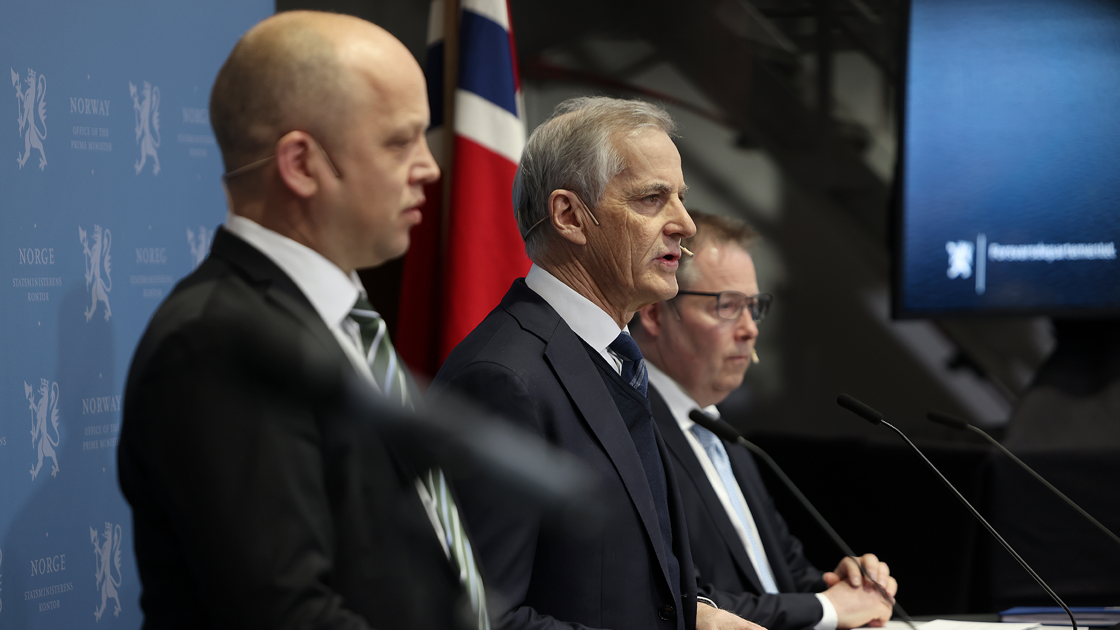
Second, what is new today is not only the level of tension with Russia but also the broader geopolitical context. The United States’ repositioning in relation to Europe and the overall shift in global power politics increase the demands placed on each member state to maintain alliance credibility. Norway cannot assume unconditional protection from the United States and must contribute more to keep the alliance intact and ensure that allies remain engaged in Norwegian strategic regions. A consistent approach has been to remain relevant through intelligence sharing, maritime collaboration, infrastructure development, and the provision of specialised training opportunities.
Third, Norway’s approach to Russia has changed. Since the 2022-invasion, Norway has coordinated closely with European partners on sanctions and punitive measures; Oslo has provided extensive financial, military, and diplomatic support to Ukraine. Cold War-style acceptance of spheres of influence, as demanded by Russia’s ultimatum to the United States and NATO in December 2021, is intolerable in contemporary Europe.
Fourth, Russia–China cooperation and rising interest in Arctic activity create new pressures on governance and stability in the High North. If activity increases through shipping, resource interest, or deterrence, the need for predictable rules and mechanisms to manage friction becomes more critical. This strengthens the case for multilateral approaches and common rules at sea, rather than reliance on bilateral arrangements where power asymmetries can shape outcomes.
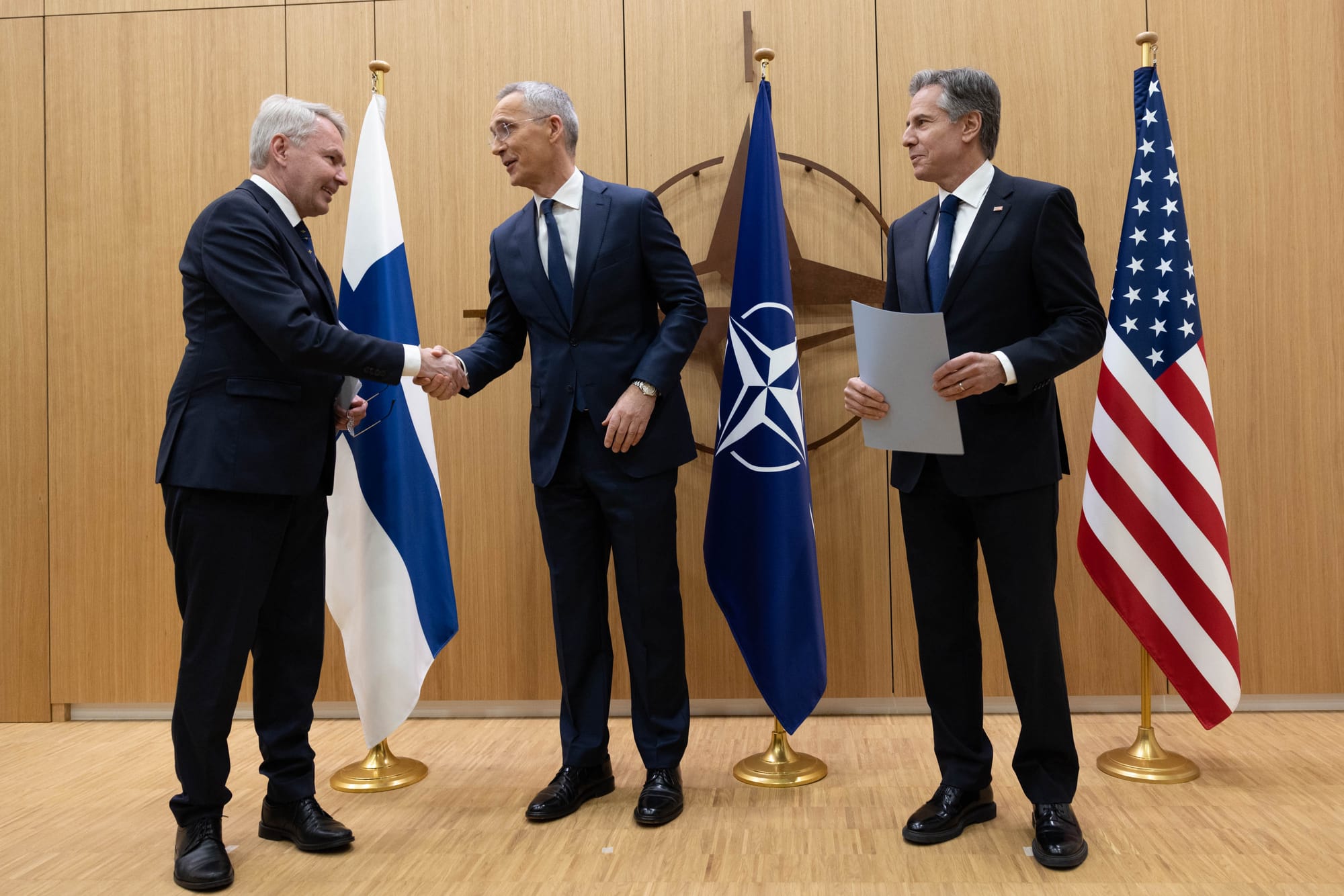
Finally, Finland and Sweden’s NATO membership changes the regional map. The Nordic countries are now part of a single defence block, tying Norway more directly to the Baltic Sea Region and increasing Norway’s importance as a receiving country for allied reinforcements. This places additional emphasis on Norwegian capabilities and expectations within the alliance, while also strengthening deterrence and alliance cohesion, in a way that can support stability if managed with predictability and restraint.
Combined, these developments suggest that low tension should not be understood as passivity. It is a strategy that combines credible deterrence and allied anchoring with predictable alliance signalling, thereby preserving stability and reducing the risk of miscalculation. Alliance politics is not static; it must adapt when circumstances change. Until Russia’s invasion of Ukraine and China’s rise as a global superpower, the status quo did not require major changes in defence capabilities or strategic posture. It now does. Norway’s long-standing High North policies, therefore, require recalibration to maintain stability and the balance of power. However, as of early 2026, this does not necessarily require revising the base policy, increasing militarisation of Svalbard, or joining the EU for strictly defence purposes. The priority should be to preserve NATO as the core security framework and keep the United States engaged and committed. At the same time, Oslo must remain closely aligned with European allies in responding to Russia and rising activity in the Arctic and other strategic maritime areas.
If Norway fails to maintain capacity and presence in the High North, it may face greater pressure from external actors, narrowing Norwegian room for manoeuvring. Low tension, in that sense, is also a way to avoid great power militarisation in what is Norway’s most important strategic region.
Conclusion
How relevant are Norway’s Cold War policies today? This analysis clearly indicates the continued relevance of maintaining low tension. Increased defence investment supports this logic by strengthening defensive capacities for sovereignty enforcement, surveillance and intelligence purposes, while predictability and political control are maintained. Norway should continue to prioritise multilateral frameworks and common rules to manage increased activity and new actors in the Arctic, while limiting reliance on bilateral arrangements that can generate asymmetric pressure. Norway’s strategic room for manoeuvre still depends on balancing allied engagement with restraint and keeping allies interested and integrated in the High North, while avoiding unnecessary steps that increase the risk of escalation with a neighbour that will always be there.
SOURCES
NUPI Policy brief 2/2025: A warmer Arctic in colder geopolitical climate: What role for the private sector?
Evan T. Bloom, Sturla Henriksen and Elana Wilson Rowe
FFI rapport 25/010:
Klimaendringenes konsekvenser for Forsvarets plattformer, infrastruktur og personell
Marius Nyquist Pedersen, Kristian Blindheim Lausund og Øyvind Albert Voie
On military support for Ukraine:
https://www.regjeringen.no/no/tema/utenrikssaker/humanitart-arbeid/naboland_hjelp/id2908141/
The Security Dilemma in Alliance Politics, World Politics, Vol. 36, No. 4,
Glenn H. Snyder. The United States and the Cold War in the High North. Oslo: Notam, 1991.
Rolf Tamnes Oljealder 1965 – 1995 Norsk Utenrikspolitisk historie Bind 6. Oslo: Universitetsforlaget, 1997.
Rolf Tamnes. Sjøforsvaret i krig og fred. Oslo: Fagbokforlaget, 2010.
Bjørn Terjesen, Tom Kristiansen, and Roald Gjelsten.
On national security strategy: https://www.regjeringen.no/no/dokumenter/nasjonal-sikkerhetsstrategi/id3099304/#:~:text=Dette%20er%20den%20f%C3%B8rste%20nasjonale%20sikkerhetsstrategien%20for,ny%20tid%20innledet%20for%20Norge%20og%20Europa.
Summary on long-term plan on defence and investments: https://www.stortinget.no/no/Saker-og-publikasjoner/Publikasjoner/Innstillinger/Stortinget/2023-2024/inns-202324-426s/?m=0
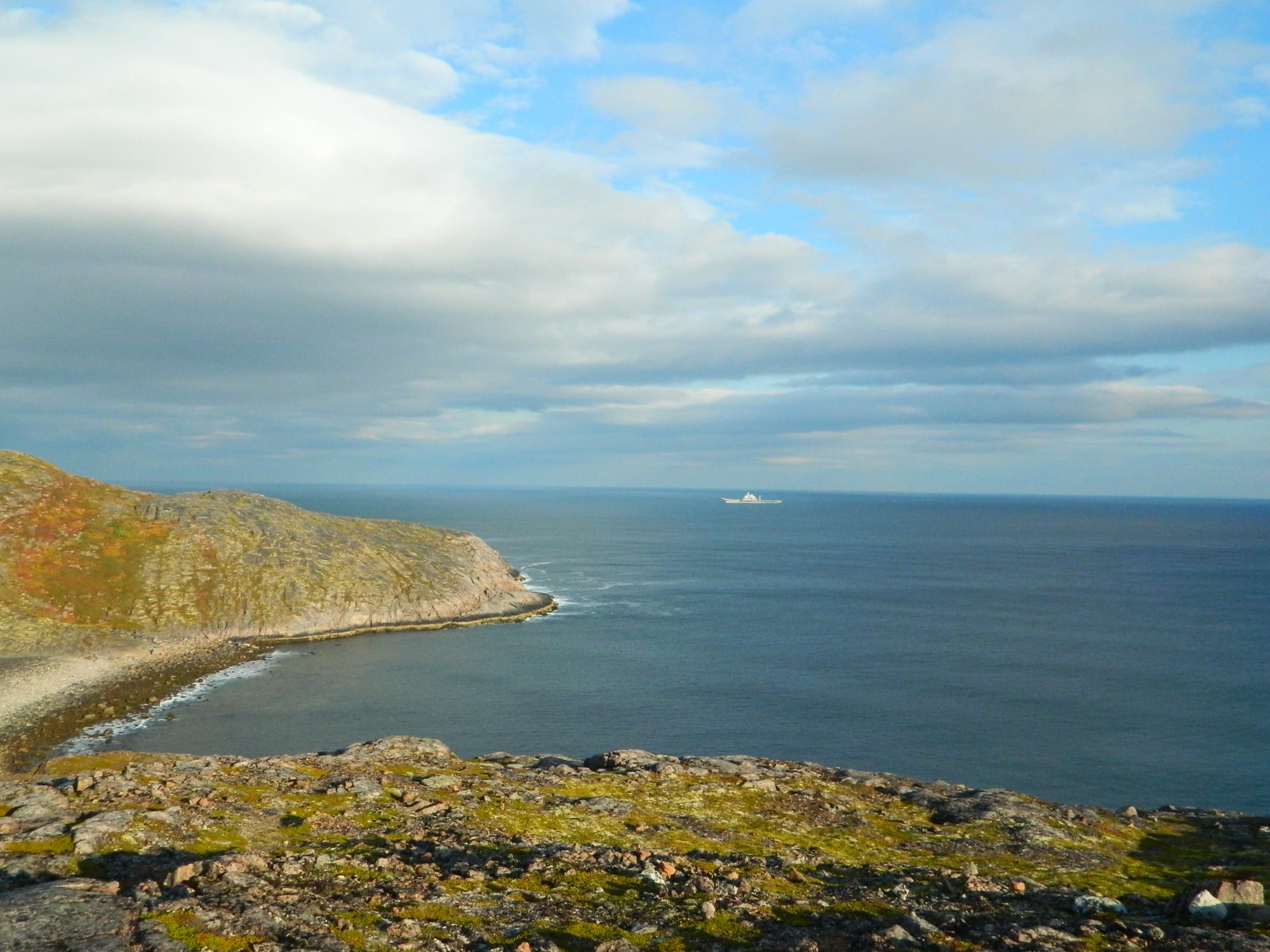
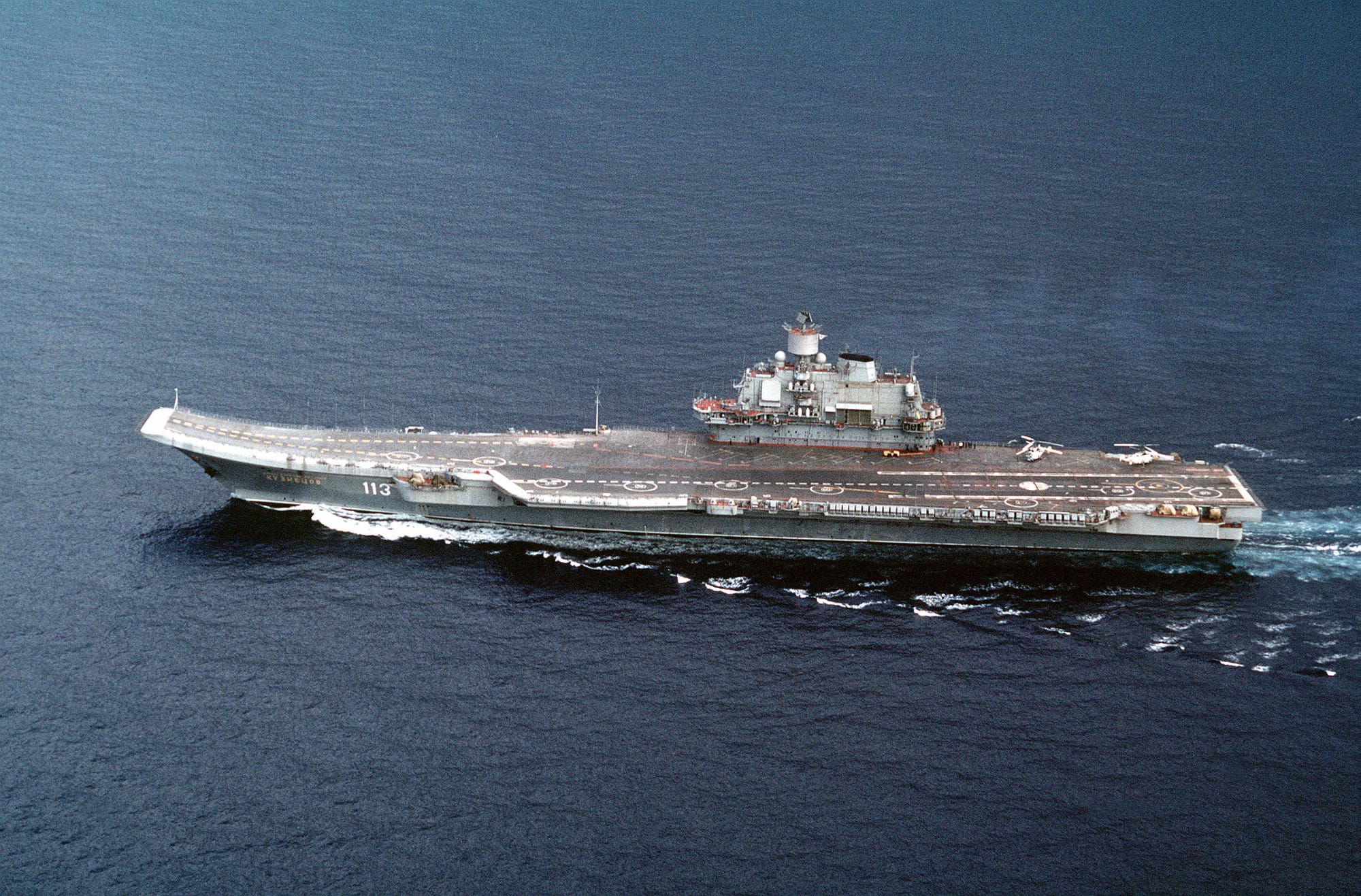
Photo: The russian aircraft carrier Admiral Kuznetsov moored near the village of Teriberka in the Barents Sea / Wikimedia commons